Explore grounds for unilateral divorce in Vietnam and how evidence of serious marital breakdown, violence or violations may support a court request.
What Is Unilateral Divorce?
Under Article 56 of the Law on Marriage and Family 2014, unilateral divorce also called divorce at the request of one party is a legal process in which one spouse initiates the divorce without the other consent. The Court will only grant a divorce if it determines that the marital relationship has seriously deteriorated and the common life cannot continue. Understanding what is unilateral divorce is crucial to navigating family disputes in Vietnam. The burden of proof lies with the petitioner, who must provide convincing evidence to support their claim of serious breakdown.
Legal Grounds for Unilateral Divorce
Vietnamese law does not provide an exhaustive list of situations that qualify as serious marital conflict. However, based on legal practice and court precedents, the following are commonly accepted grounds for unilateral divorce:
- Domestic violence or emotional abus: Physical violence, mental cruelty, or consistent threats that harm the spouse or children.
- Infidelity: One spouse commits adultery or maintains an extramarital relationship, violating marital obligations.
- Abandonment or separation without cause: One spouse leaves the marital home without a valid reason or stays away for a prolonged period (often over 1 year).
- Addiction or harmful behavior: Substance abuse, gambling, or other destructive behaviors affecting the family well-being.
- Irreconcilable differences: Serious conflicts in values, lifestyles, or communication that make marital life intolerable.
These grounds, if well-substantiated, can support the court decision to grant a unilateral divorce.
Types of Evidence for Divorce in Vietnam
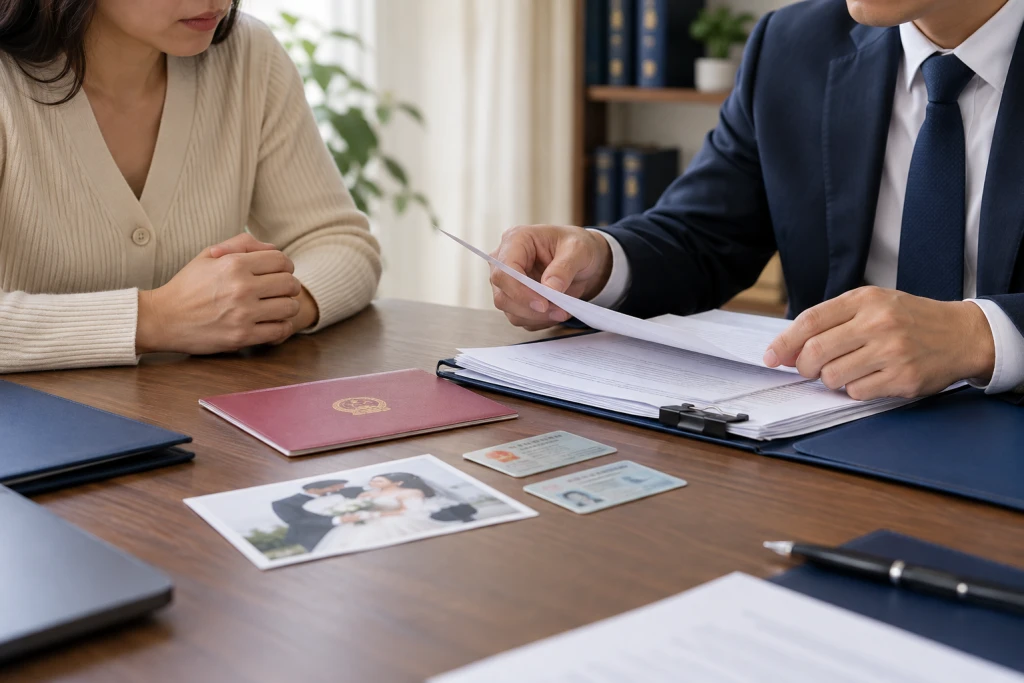
To support your claim, you must submit evidence for divorce in Vietnam that proves the seriousness of the marital breakdown. Some common types of evidence include: Medical records or police reports for domestic abuse; Photos, videos, or messages that show acts of violence or infidelity; Witness statements from neighbors, family members, or local authorities; Separation confirmation letters from local authorities (for long-term separations); Rehabilitation or detox center records (in case of addiction). The strength of your evidence can determine whether the court accepts your petition. Properly organizing and presenting the documents is crucial.
How to File for Unilateral Divorce in Vietnam
If you meet the above criteria, you can begin the process of how to file for unilateral divorce as follows: Prepare the divorce petition stating the reasons and evidence for the breakdown. Submit to the competent People Court, usually where the respondent resides. Provide necessary documents, including marriage certificate, ID, household registration, birth certificates of children (if any), and relevant evidence. Attend court proceedings as required. The court may conduct mediation before proceeding to trial. The process usually takes several months, depending on the complexity of the case and the response of the other party.

Vietnam Divorce Law: A Focus on Family Protection
Vietnamese courts approach divorce cautiously, especially when children are involved. The law encourages reconciliation and mediation first. However, Vietnam divorce law also respects the right of a spouse to exit a harmful or irreparable relationship. While mutual agreement is ideal, the legal framework for unilateral divorce ensures that justice is accessible even when only one party wants to end the marriage.
How legal support can help
- Advice on the right to request the Court to settle divorce;
- Advising on conciliation procedures at the grassroots level;
- Advise on divorce proceedings;
- Advising on grounds for divorce;
- Advising on regulations on consent divorce and divorce at the request of one party;
- Advice on principles of the property division upon divorce and procedures for property division;
- Advice on divorce settlement procedures at the Court.
>>> Read more: Seeking Legal Assistance for Unilateral Divorce Services in Vietnam
>>> Read more: How to File a Unilateral Divorce in Accordance with Vietnamese Law?
Discuss your next steps
For advice on grounds for unilateral divorce in vietnam, ask Jurion & Partners to review your circumstances and explain the appropriate legal options before you take the next step.


